
There's something special about the first real cold snap of the year. The air gets crisp, the leaves have fallen, and home starts to feel like the coziest place on earth. It's also the perfect moment to give your house a little attention, so it can take care of you through the snow, ice, and long nights ahead. A few simple tasks now can save you headaches (and money) later, and help keep everyone warm, safe, and comfortable all season long.
The tips below are good advice for just about any homeowner, whether your house is brand new or has a few decades of stories in its walls. If you're lucky enough to live in a new Stratford Home, though, you can relax a bit, because not every item on this list will apply to you. Your home was built indoors in our climate-controlled factory, with energy efficiency planned in from day one, and finished on site by one of our trusted Builder partners. A lot of the sealing, insulating, and draft-hunting that older homes need was handled before you ever got the keys.
So grab a cup of coffee, and let's walk through the most important areas to check before winter settles in.
1. Inspect and Service Your Heating System
Your heating system will be working overtime during the winter months, making it crucial to ensure it's operating efficiently.
What to do:
- Schedule a professional HVAC inspection.
- Replace or clean air filters.
- Test your thermostat and consider upgrading to a programmable model.
- Check vents and registers for blockages.
Why it matters:
A well-maintained heating system consumes less energy, provides consistent warmth, and reduces the risk of unexpected breakdowns during the coldest days of the year.
2. Seal Air Leaks and Improve Insulation
Small gaps around doors, windows, and utility openings can allow significant heat loss.
What to do:
- Apply weatherstripping around doors and windows.
- Use caulk to seal cracks and gaps.
- Inspect attic insulation and add more if necessary.
- Seal openings around pipes, cables, and vents.
Why it matters:
Improved insulation can lower heating costs and keep indoor temperatures more comfortable.
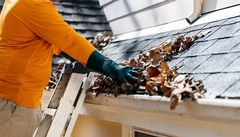
3. Clean Gutters and Downspouts
Fallen leaves and debris can clog gutters, leading to water damage during snowmelt and winter storms.
What to do:
- Remove leaves and debris.
- Check for sagging or damaged sections.
- Ensure downspouts direct water away from your foundation.
Why it matters:
Proper drainage helps prevent ice dams, roof leaks, and foundation issues.
4. Inspect the Roof
Winter weather can worsen existing roofing problems.
What to do:
- Look for missing, cracked, or curling shingles.
- Check flashing around chimneys and vents.
- Trim overhanging tree branches that could break under snow or ice.
Why it matters:
A small roof issue can quickly become a major leak after heavy snowfall or ice accumulation.
5. Protect Plumbing from Freezing
Frozen pipes can burst and cause extensive water damage.
What to do:
- Insulate exposed pipes in basements, garages, and crawl spaces.
- Disconnect and drain outdoor hoses.
- Shut off exterior water faucets when possible.
- Know where your main water shutoff valve is located.
Why it matters:
Preventing frozen pipes is far less expensive than repairing water damage from a burst pipe.
6. Check Windows and Doors
Windows and doors are common sources of heat loss.
What to do:
- Repair damaged seals.
- Install storm windows if available.
- Use thermal curtains for additional insulation.
- Replace cracked glass panes.
Why it matters:
Reducing drafts improves comfort and lowers heating bills.
7. Test Safety Devices
Winter often means increased use of heating appliances, fireplaces, and generators.
What to do:
- Test smoke detectors.
- Test carbon monoxide detectors.
- Replace batteries if needed.
- Review your family's emergency evacuation plan.
Why it matters:
Carbon monoxide poisoning risks increase during the heating season, making functioning detectors critical.
8. Prepare Your Wood-Burning Fireplace and Chimney
A cozy fire can become a hazard if the chimney isn't properly maintained.
What to do:
- Have the chimney inspected and cleaned.
- Inspect the damper for proper operation.
- Remove excess ash buildup.
- Store firewood in a dry location away from the home.
Why it matters:
Regular maintenance reduces the risk of chimney fires and improves efficiency.
9. Service Outdoor Equipment
Winter weather can be tough on outdoor tools and equipment.
What to do:
- Winterize lawn mowers and power garden tools.
- Drain fuel if recommended by the manufacturer.
- Store equipment in a dry area.
- Check snow blowers and stock up on fuel.
Why it matters:
Proper storage extends equipment life and ensures readiness when snow arrives.
10. Inspect Driveways, Walkways, and Exterior Surfaces
Small cracks can expand dramatically during freeze-thaw cycles.
What to do:
- Repair cracks in concrete and asphalt.
- Secure loose railings and steps.
- Ensure outdoor lighting is functioning properly.
- Stock up on ice melt and snow shovels.
Why it matters:
Preventing slips and falls helps keep your family and visitors safe.
11. Reverse Ceiling Fans
Many homeowners overlook this simple energy-saving tip.
What to do:
- Switch ceiling fans to rotate clockwise at a low speed during winter.
Why it matters:
This helps push warm air down from the ceiling, improving heating efficiency.
12. Create an Emergency Winter Kit
Winter storms can lead to power outages and travel disruptions.
Include:
- Flashlights and batteries
- Bottled water
- Non-perishable food
- Blankets
- First-aid supplies
- Portable phone chargers
- Emergency contact information
Why it matters:
Being prepared can make a significant difference during severe weather events.
Final Thoughts
Preparing your home before winter arrives is an investment in comfort, safety, and peace of mind. By addressing potential issues early, you can prevent emergency repairs, reduce energy bills, and protect your property from harsh winter conditions. A weekend spent on winter home maintenance today can save you considerable time, money, and stress when the first snowstorm hits.
Winter Home Maintenance Checklist
- Service heating system
- Replace HVAC filters
- Seal doors and windows
- Add insulation where needed
- Clean gutters and downspouts
- Inspect roof and chimney
- Protect pipes from freezing
- Test smoke and carbon monoxide detectors
- Winterize outdoor equipment
- Repair driveway and walkway cracks
- Reverse ceiling fans
- Prepare an emergency kit
A little preparation now goes a long way toward ensuring a warm, safe, and worry-free winter season.